📅 Updated April 2026 | ✍️ By AUTOPPFLOOR Flooring Experts | ⏱ 8 min read
Choosing between luxury vinyl plank (LVP) and engineered hardwood? This in-depth guide compares durability, waterproofing, cost, installation, lifespan, and resale value. We’ll help you decide which floor is right for your home, pets, basement, or rental property – with data, expert insights, and a final verdict.
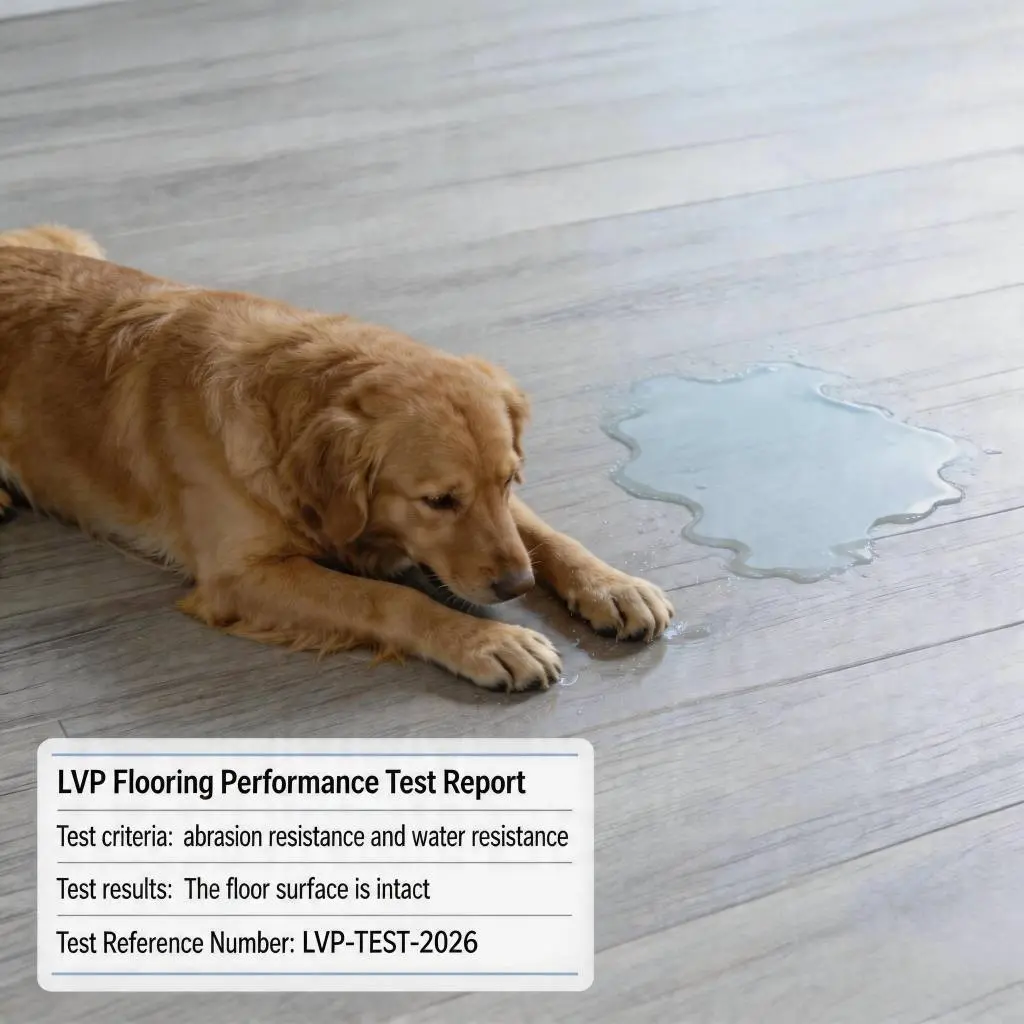
📌 Short answer: Luxury vinyl plank (LVP) lasts 20–30 years in residential use, is 100% waterproof, scratch/pet-resistant, and DIY-friendly. Engineered hardwood can last 30–50+ years with refinishing, offers natural wood beauty, but is vulnerable to moisture and requires professional installation. Choose LVP for basements, bathrooms, pets, and rentals; choose engineered hardwood for living rooms, resale value, and authentic wood feel.
What Are Luxury Vinyl Planks and Engineered Hardwood?
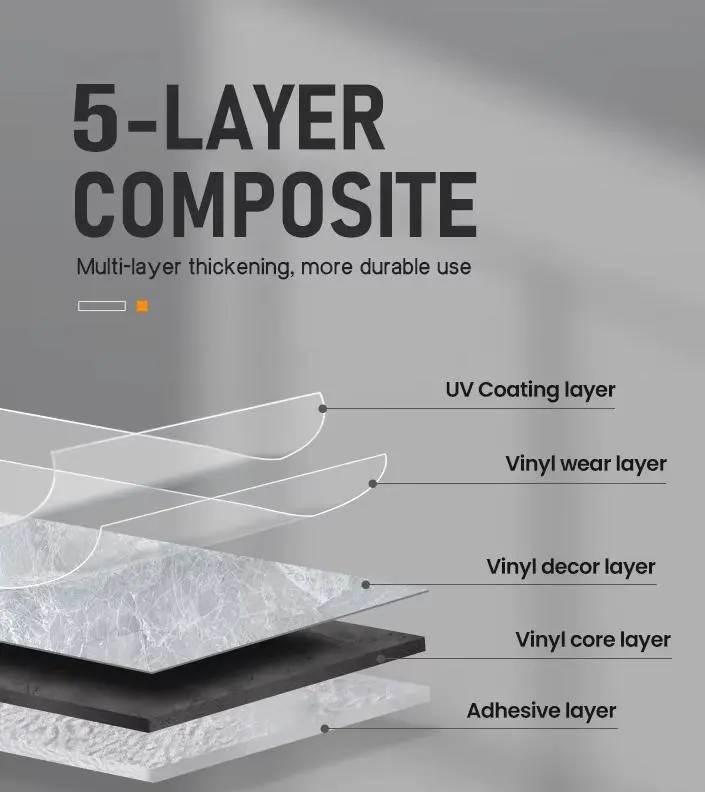
Luxury Vinyl Plank (LVP) is a multi-layer synthetic flooring made of a PVC composite core, a high-resolution printed design layer, and a transparent wear layer. Premium LVP often includes a rigid SPC (stone plastic composite) core for extra stability. It’s engineered to mimic wood, stone, or tile with realistic embossed textures.
Engineered Hardwood consists of a real wood veneer (typically 0.6mm to 6mm) bonded to multiple layers of plywood or high-density fiberboard. The cross-grain construction makes it more dimensionally stable than solid hardwood, but it is not waterproof.
Comparison Table: LVP vs Engineered Hardwood
| Feature | Luxury Vinyl Plank (LVP) | Engineered Hardwood |
|---|---|---|
| Material | PVC composite + wear layer + printed film | Real wood veneer + plywood core |
| Waterproof | ✅ 100% waterproof – ideal for basements, bathrooms, kitchens | ❌ Not waterproof – spills can cause swelling, warping |
| Scratch Resistance | ✅ High – wear layer protects against pets, heels, furniture (20-28mil) | ⚠️ Moderate – soft woods scratch easily; hardwoods better but still susceptible |
| Pet Friendly | ✅ Excellent – resists claws, urine won’t penetrate | ⚠️ Moderate – scratches possible; urine can stain/seep |
| Installation | ✅ DIY-friendly – click-lock or glue-down, often no underlayment needed | ❌ Professional recommended – requires stapling, gluing, or floating with moisture barrier |
| Lifespan | 20–30 years (residential) / 10–15 years (commercial) | 30–50+ years (with sanding/refinishing 2-3 times) |
| Refinishing | ❌ Cannot be sanded – replace planks if damaged | ✅ Can be sanded and refinished (depending on veneer thickness) |
| Cost (material + install) | $3–$7 per sq ft (average $5) | $6–$14 per sq ft (average $9) |
| Resale Value | Moderate – good for waterproof areas, but not premium | High – buyers prefer real wood, adds home value |
| Underfloor Heating | ✅ Compatible (max 27°C / 80°F) | ⚠️ Limited – some products compatible, risk of drying/cracking |
| Environmental Impact | PVC production concerns; many brands now offer recycled/recyclable options (low VOC, FloorScore) | Uses real wood (sustainable if FSC-certified), but plywood core contains adhesives |
Pros and Cons of Each Flooring Type
✅ Luxury Vinyl Plank (LVP) – Pros
100% waterproof – perfect for basements, bathrooms, mudrooms.
Extremely durable – scratch, stain, and dent resistant (AC4/AC5 rating).
Pet & kid friendly – claws and spills no problem.
Easy DIY installation – click-lock planks require no glue.
Lower cost – premium look for less.
Comfortable underfoot – often comes with attached underlayment.
Low maintenance – sweep and damp mop only.
❌ Luxury Vinyl Plank – Cons
Cannot be refinished – damaged planks must be replaced.
Not real wood – lacks authentic grain variation and patina.
May fade in direct sunlight – though UV coating helps.
PVC production concerns – but many brands use recycled content and low-VOC formulas.
✅ Engineered Hardwood – Pros
Natural wood beauty – authentic grain, texture, and warmth.
Can be refinished – sand and recoat every 10-20 years to extend life.
Adds home value – buyers prefer real wood over synthetic.
More dimensionally stable than solid hardwood (less expansion/contraction).
Wide variety of species – oak, maple, walnut, hickory, etc.
❌ Engineered Hardwood – Cons
Not waterproof – moisture can cause swelling, warping, or mold.
Scratches more easily – especially softer species like walnut.
Professional installation required – adds cost.
Higher upfront cost – materials and labor are more expensive.
Limited refinishing – only 1-3 times depending on veneer thickness.
Susceptible to humidity changes – gaps or buckling possible.
Which Lasts Longer? Lifespan Comparison
Engineered hardwood typically lasts longer – 30 to 50+ years – because it can be sanded and refinished every 10-20 years. With proper care, a high-quality engineered floor can outlive you. However, if you install it in a basement or kitchen, moisture damage might cut its life short.
Luxury vinyl plank lasts 20–30 years in residential settings. You cannot refinish it, but you can replace individual damaged planks. In high-moisture or pet-heavy homes, LVP may actually “outlast” engineered hardwood because it won’t swell or stain. Commercial-grade LVP with a 20-28mil wear layer can withstand heavy foot traffic for decades.
Verdict on longevity: Engineered hardwood wins for potential lifespan (if maintained and kept dry). LVP wins for “real-world durability” in challenging environments
When to Choose Luxury Vinyl Plank
Basements, bathrooms, kitchens, laundry rooms – anywhere moisture is present.
Homes with dogs or cats – LVP resists scratches and accidents.
Rental properties or vacation homes – durable, low-maintenance, and cost-effective.
DIY installers – you can install it yourself in a weekend.
Budget-conscious homeowners – get the wood look for half the price.
Underfloor heating – LVP is highly compatible.
When to Choose Engineered Hardwood
Living rooms, dining rooms, bedrooms (dry areas) – where natural beauty shines.
If you plan to stay in your home 10+ years – you’ll benefit from refinishing and resale value.
Real wood lovers – nothing matches the authentic feel.
Homes without pets or young children – less risk of scratches.
High-end market resale – engineered hardwood appeals to luxury buyers.
📋 Decision Tree: 4 Questions to Choose Your Floor
1. Is the room likely to get wet?
Yes → LVP (waterproof). No → Continue.
2. Do you have large dogs or very active kids?
Yes → LVP (scratch-resistant). No → Continue.
3. Do you want the ability to refinish and keep the floor for 40+ years?
Yes → Engineered Hardwood. No → LVP is fine.
4. Is budget a primary concern?
Yes → LVP ($3–7/sq ft). No → Engineered Hardwood ($6–14/sq ft).
Frequently Asked Questions
❓ Can I install LVP over existing engineered hardwood?
Yes – if the subfloor is flat and dry, you can install LVP as a floating floor over engineered wood. No need to remove the old floor.
❓ Is engineered hardwood toxic? What about LVP?
Quality engineered hardwood uses low-VOC adhesives. LVP from reputable manufacturers like AUTOPPFLOOR is phthalate-free, low-VOC, and FloorScore certified – safe for homes.
❓ Which floor is warmer underfoot?
Both are comfortable. LVP with attached underlayment feels slightly warmer, while engineered hardwood can feel cool. Both work well with area rugs.
❓ Can engineered hardwood be used in bathrooms?
Not recommended – even with sealing, moisture can cause swelling. LVP is the safe choice for bathrooms.