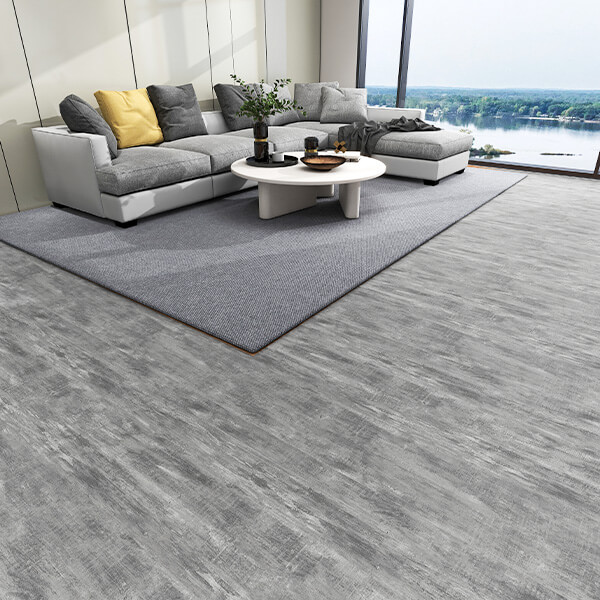
Distributors and wholesalers are making costly mistakes in 2026 because of bad pvc floor inventory. The line separating SPC (Stone Plastic Composite) and LVT (Luxury Vinyl Tile) is splitting. Supplying new flooring faster and at a higher rate is what’s in demand, not how attractive the flooring is.
When supplying a hotel renovation, retail, or residential space, you should know how cheap vinyl flooring fails in order to keep business profitable. Below is a breakdown of flooring failures and other conditions as provided by AutoPPFloor.
1. The Real-World Performance Gap
The primary distinction of each of these types of PVC flooring is their response to environmental stress. We describe this assessment as “dimensional stability.”
Why Rigid Core (SPC) Dominates Commercial Specs
SPC’s rigid core, composed of limestone powder called calcium and some stabilizers, is almost completely unaffected by extreme UV exposure or extreme moisture.|
As such, SPC will remain stable even in a floor-to-ceiling glass lobby, whereas LVT may begin to gap or peak.
Where LVT Fits in You Inventory
LVT is a “comfort” product. It is typically warmer and quieter and is a market preference for residential projects dictated primarily by budget. However, the use of this product requires a perfectly leveled sub floor. If your client’s construction team is cutting corners on the sub floor, LVT will rapidly accelerate customer turnover.
2. Industry Pain Points: The “Hidden Costs”
When sourcing from China, procurement managers often struggle with three specific issues: Delamination, VOC non-compliance, and inconsistent click-lock tolerances.
Delamination Risk: In lower-end LVT, the wear layer can separate from the film layer. AutoPPFloor combats this using high-pressure lamination, ensuring the bond strength exceeds EN ISO 10874 requirements.
VOC & Safety Compliance: Your clients are demanding ASTM F963 and EN71-3 documentation. Without these, your containers will be stuck in customs. We provide full third-party test reports for every batch.
Click-Lock Tolerance: The biggest pain point for installers is a locking mechanism that snaps during assembly. AutoPPFloor utilizes German-engineered milling machines to ensure a tolerance of less than 0.05mm, significantly reducing installation labor time for your clients.
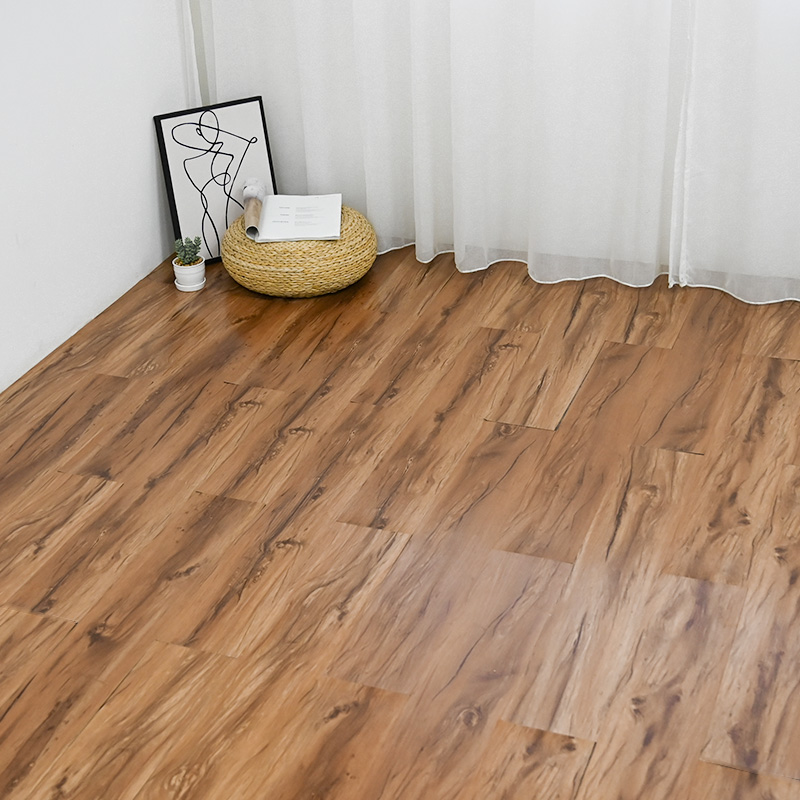
3. Procurement Comparison: Making the ROI Call
| Factor | SPC Rigid Core | LVT Flexible Vinyl |
| Logistics Density | High (Cheaper shipping per sqm) | Moderate (Higher volume/low density) |
| Inventory Durability | Excellent (No risk of warping) | Sensitive (Needs temp-controlled storage) |
| Market Segment | Commercial & High-end Retail | Budget Residential & DIY |
| Failure Rate (Claims) | Low | Moderate (If subfloor is uneven) |
4. AutoPPFloor: Manufacturing for Risk Mitigation
We are not just a factory; we are your risk management partner.
Operating an 18,600 sqm facility in Zhangjiagang, we manage the entire production cycle. You aren’t just buying pvc flooring—you are buying peace of mind. We invite your local agents to perform third-party inspections (SGS/TÜV) before shipping. We believe if a product can’t pass a stress test, it shouldn’t leave the factory floor.
Strategic Inventory Recommendations
If you serve contractors: Stock SPC. It reduces installation headaches and minimizes the risk of call-backs.
If you serve online retailers/DIY: LVT is your high-volume, low-cost mover.
Yes, for commercial applications. SPC features a rigid stone-plastic core that offers superior dimensional stability and impact resistance. It is designed to handle high foot traffic and heavy rolling loads without denting, making it a much safer long-term investment for commercial spaces compared to flexible LVT.
We provide comprehensive documentation to ensure seamless customs clearance and project compliance. Our products are tested against ASTM F963 and EN71-3 standards. Upon request, we also provide full SGS or TÜV third-party inspection reports for every production batch.
Poorly milled locking systems often snap or fail to click together, forcing installers to spend extra time and labor. Our German-engineered milling machines maintain a tolerance of <0.05mm, ensuring a fast “click-and-lock” installation that significantly reduces your clients’ on-site labor costs.
Absolutely. We specialize in OEM/ODM services. Whether you need unique wood-grain textures, custom wear-layer thickness, or your own brand’s packaging design, our team can tailor the production to match your local market trends.
Our standard production cycle is 15 to 25 days, depending on the order volume and customization complexity. Located in Zhangjiagang, we benefit from close proximity to major ports, ensuring efficient logistics for global shipping.