China SPC Flooring Supplier Audit 2026: How Importers Should Evaluate PVC, LVT, EIR Texture, and Compliance-Ready Flooring Factories
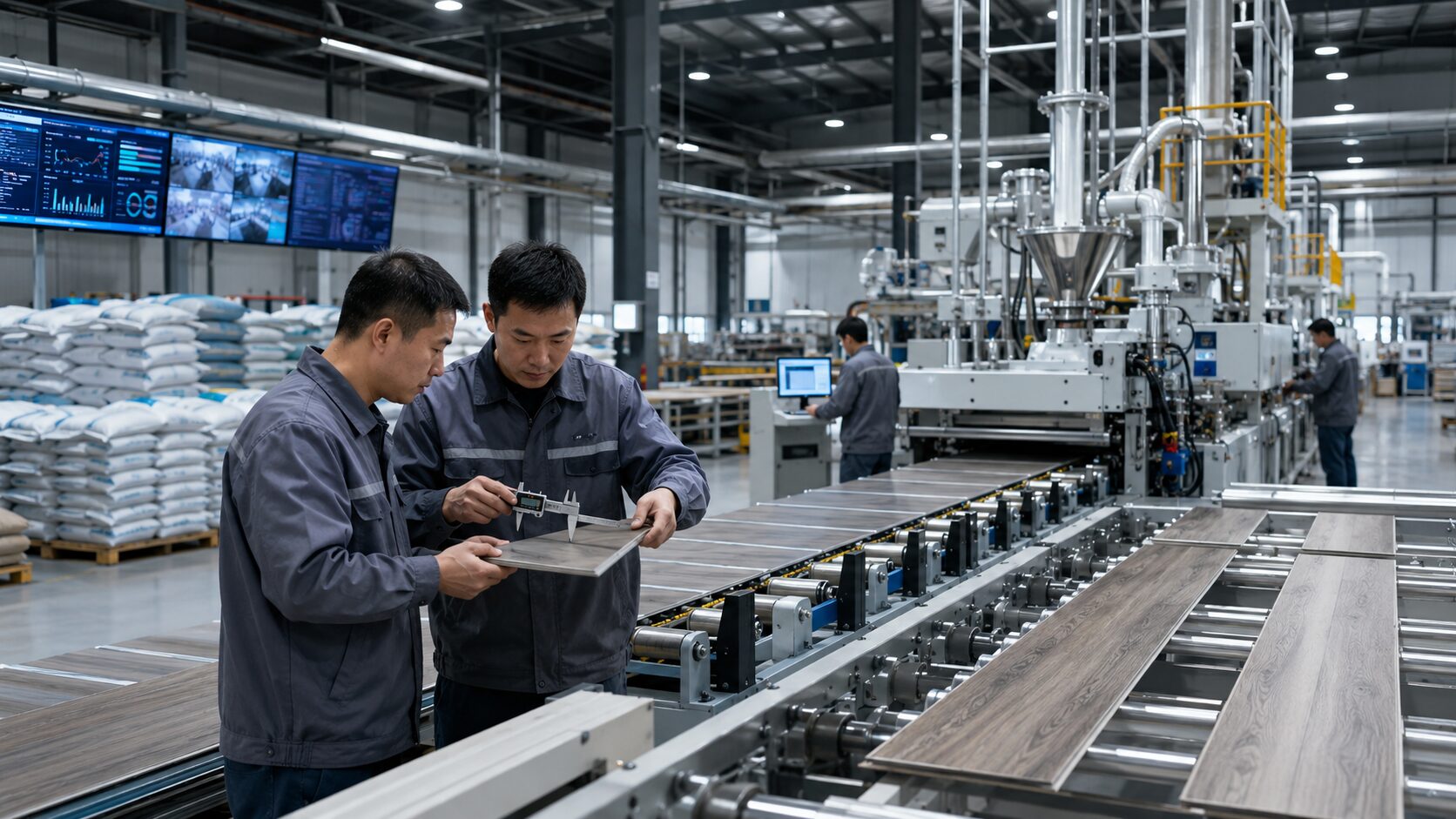
For global flooring importers, the 2026 China SPC flooring supplier audit is no longer a basic price comparison. Buyers now need to verify core density, click-lock tolerance, EIR surface accuracy, VOC compliance, thermal stability, acoustic underlay integration, and export documentation before placing repeat container orders.
AutoPPFloor, operated by Suzhou Senso Saintour Import & Export Co., Ltd., is positioned from the Zhangjiagang flooring manufacturing cluster near Suzhou, China. The company serves B2B importers, wholesalers, private-label flooring brands, renovation material distributors, and project buyers seeking export-ready PVC flooring, SPC flooring, LVT click flooring, dry back flooring, and interlocking garage floor tiles.
1. Why 2026 Flooring Buyers Are Changing Their Supplier Criteria
The global vinyl flooring market is still competitive, but the purchasing logic has become more technical. Five years ago, many buyers started with simple questions:
- What is your FOB price?
- How many square meters fit in one container?
- Can you copy this color?
- What is the lead time?
In 2026, professional buyers ask sharper questions:
- What is the SPC core density?
- Can the factory control shrinkage after thermal testing?
- Is the click-lock tolerance stable across the full production batch?
- Can the supplier support EIR Technology with registered embossing?
- Is the product aligned with REACH, FloorScore, French A+, and California Proposition 65 requirements?
- Can the supplier prepare carbon-footprint data when European customers request it?
- Can the same SKU be repeated six months later without obvious color deviation?
This shift is important. Flooring is a high-volume, low-tolerance product. One unstable batch can create installation claims, warehouse returns, brand damage, and distributor hesitation. For private-label importers, the factory must act as a technical production partner, not just a quotation source.
2. The Three 2026 Trends Importers Should Build Into Their Flooring Program
2.1 EIR Technology and Realistic Surface Texture
EIR Technology, also called synchronized embossing or registered embossing, is becoming a stronger B2B search term in SPC and LVT flooring. The reason is simple: surface realism sells.
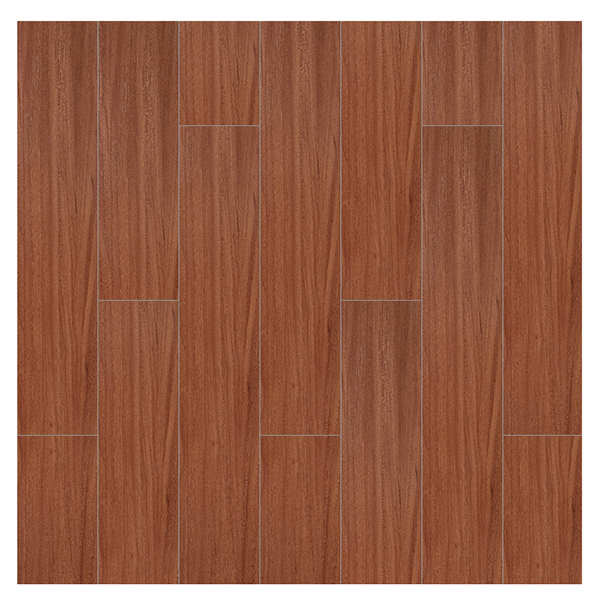
A standard embossed plank may look acceptable in a catalog photo, but a registered embossed plank performs better in showrooms. The wood grain texture follows the printed oak or walnut pattern. Under natural light, the plank looks deeper, less plastic, and closer to real wood.
For wholesalers, this creates higher perceived value without moving into expensive natural wood categories. A 5.5mm SPC plank with 0.5mm wear layer, IXPE backing, matte UV coating, painted bevel, and EIR oak surface can sit in a stronger retail price band than a basic flat-embossed plank.
2.2 Warm Greige, Sand Oak, and Natural Neutral Colors
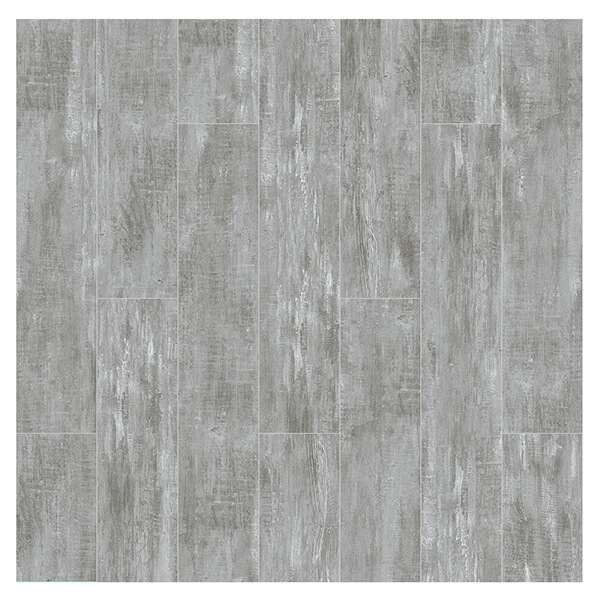
The cold grey flooring cycle is weakening. In 2026, distributors should prepare warmer collections: greige oak, sand beige, natural oak, light honey, taupe brown, mushroom beige, and soft walnut.
This is not only a design issue. It affects inventory turnover. A distributor who imports outdated grey tones may win a low purchase price but lose margin through slow movement. Warm neutral colors work across apartments, rental renovation, hospitality interiors, commercial offices, and mainstream home retail.
AutoPPFloor can support buyers by building color boards around practical regional demand instead of random catalog selection. For many importers, the most efficient collection is not 80 colors. It is 8 to 12 proven SKUs with stable repeatability.
2.3 Compliance-Ready Flooring for Europe and North America
Compliance is becoming a commercial gatekeeper. Importers selling into Europe and North America need stronger documentation for VOC emissions, plasticizer control, chemical safety, and material traceability.
A professional flooring supplier should prepare documents related to:
- REACH chemical compliance
- FloorScore-related VOC emission requirements
- French A+ emission classification
- California Proposition 65 review
- Phthalate and heavy metal control
- Batch inspection reports
- Pre-shipment quality records
- Carbon-footprint data where required by the buyer
Compliance should not be treated as paperwork after production. It should start from raw material selection, formula control, wear layer sourcing, backing material, adhesive systems, and batch traceability.
3. Zhangjiagang Flooring Cluster: Why Location Still Matters
AutoPPFloor is based in the Zhangjiagang flooring cluster, within the broader Suzhou manufacturing belt. This location matters because PVC, SPC, LVT, printing film, wear layer, IXPE underlay, cartons, pallets, and export logistics are concentrated around the region.
For B2B buyers, the cluster creates practical advantages:
- Faster sample development
- Easier color correction
- Shorter lead time for accessory matching
- Better coordination between core, film, wear layer, and underlay suppliers
- More efficient private-label packaging
- Stronger container loading execution
Buyers can review the full company background through AutoPPFloor and About Us. Product categories include PVC Floor Products, SPC Flooring, Waterproof LVT Click Vinyl Flooring, LVT Dry Back (Glue Down) Flooring, and Interlocking Garage Floor Tiles.
4. Technical Audit Points for SPC Flooring Suppliers
4.1 Core Density: 1900–2100 kg/m³
SPC flooring performance starts with the rigid core. A serious export-grade SPC product should normally maintain core density around 1900–2100 kg/m³.
If the density is too low, the product may reduce cost but lose locking strength and impact resistance. If the density is not controlled, different batches may behave differently during installation. Buyers should ask the supplier for density records, batch reports, and retained production samples.
A professional factory should be comfortable discussing density. If a supplier only talks about color and price, the buyer should be cautious.
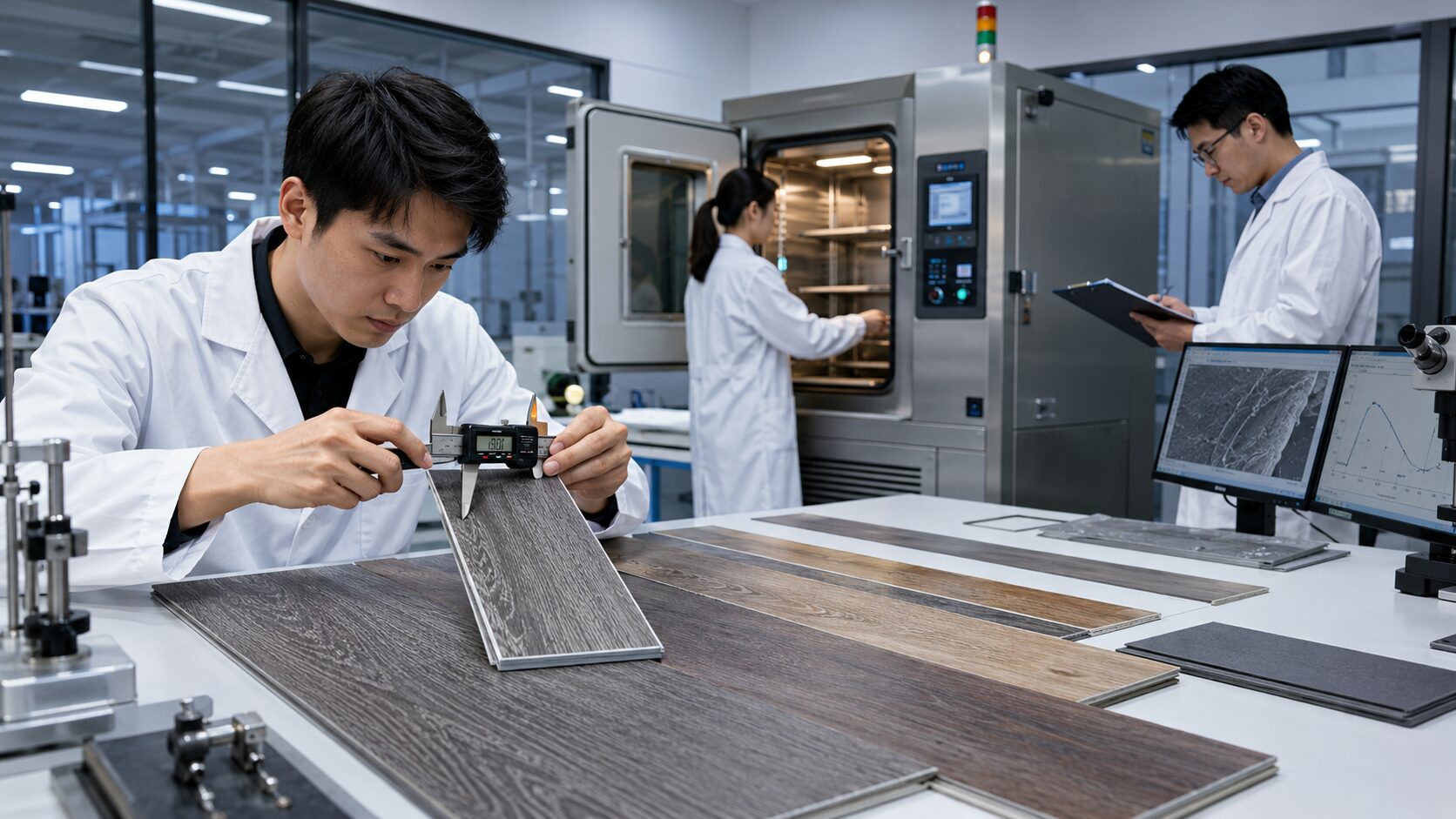
4.2 Thermal Stability: 80°C for 6 Hours
SPC and LVT flooring can face high temperatures during container shipping, warehouse storage, window-side installation, and regional climate changes. Thermal stability testing helps buyers understand whether a product will shrink, curl, gap, or deform.
A practical test standard for buyer discussion is:
- Testing temperature: 80°C
- Testing time: 6 hours
- Shrinkage target: ≤0.08%
This does not replace every local market test, but it gives the buyer a technical baseline. If a supplier cannot provide any thermal stability record, the risk is not visible until after installation.
4.3 Click-Lock Tolerance: ±0.03mm to ±0.05mm
Click-lock quality decides whether flooring installs smoothly. For standard SPC click flooring, ±0.05mm is a practical tolerance target. For premium programs, herringbone layouts, long plank systems, and high-end private-label SKUs, ±0.03mm is a stronger requirement.
German Homag milling lines or equivalent precision profiling systems help maintain consistent edge geometry. Poor click-lock machining causes loose joints, high locking force, broken corners, uneven seams, and installer complaints.
For herringbone click systems, tolerance control is even more important. A/B plank alignment exposes milling errors quickly.
4.4 Wear Layer, UV Coating, and Surface Protection
The wear layer and UV coating define daily performance. Buyers should specify the product by application:
| Application | Suggested Wear Layer | Surface Direction |
|---|---|---|
| Budget residential | 0.2mm–0.3mm | Standard embossing, matte UV |
| Retail residential | 0.3mm–0.5mm | EIR wood texture, painted bevel |
| Light commercial | 0.5mm | Scratch-resistant UV, deeper embossing |
| Project flooring | 0.5mm or higher | Stable color, easy-clean coating |
| Premium private label | 0.5mm / 20 mil | EIR Technology, warm neutral oak |
A product with good density but weak surface coating still creates complaints. A balanced specification matters more than one strong parameter.
5. Product Category Matrix for Importers and Wholesalers
| Product Category | Recommended Specification | Key Audit Point | Best Sales Channel | Buyer ROI Logic |
|---|---|---|---|---|
| PVC Floor Products | 2.0–3.0mm dry back, 4.0–5.0mm click vinyl | Wear layer, surface bonding, dimensional stability | Wholesale distribution, apartment renovation | Flexible SKU planning and competitive landed cost |
| SPC Flooring | 4.0mm, 5.0mm, 5.5mm + IXPE | Core density 1900–2100 kg/m³, shrinkage ≤0.08% | Retail importers, project suppliers | Waterproof selling point and lower claim risk |
| Waterproof LVT Click Vinyl Flooring | 4.2mm / 0.3mm or 5.0mm / 0.5mm | Click tolerance ±0.03mm–±0.05mm | DIY retail, online channels | Easy installation story and strong consumer conversion |
| LVT Dry Back Flooring | 2.0mm / 0.3mm or 2.5mm / 0.5mm | Flatness, adhesive compatibility, VOC records | Hotels, offices, schools, commercial projects | High-volume project efficiency |
| Interlocking Garage Floor Tiles | Heavy-duty PVC interlocking tile | Compression resistance, lock fatigue, stain resistance | Garage, workshop, utility flooring | Niche product with higher margin potential |
| EIR SPC Herringbone | A/B plank, registered texture, painted bevel | Milling accuracy and EIR alignment | Premium retail and design-led distributors | Higher average selling price |
| Acoustic SPC with IXPE or Cork | 1.0–1.5mm integrated underlay | Peel strength and underlay density | Apartments, condos, hospitality | Better acoustic value and easier upsell |
6. How to Compare AutoPPFloor With Other China Flooring Manufacturers
Buyers comparing AutoPPFloor with other China PVC flooring manufacturers should not focus only on quotation format. The better comparison is operational.
Ask each supplier the same questions:
- What is your SPC core density range?
- Can you show 80°C / 6-hour shrinkage test results?
- What click-lock tolerance can your milling line hold?
- Do you use German Homag milling lines or equivalent equipment?
- Can you produce EIR synchronized embossing with stable alignment?
- Can you support warm greige, sand oak, and 2026 natural color collections?
- Can you provide REACH, FloorScore-related VOC, French A+, and Prop 65 documentation?
- Can you handle private-label cartons, sample boards, and SKU planning?
- Can you provide pre-shipment inspection photos?
- Can you repeat the same SKU after several months?
A supplier that gives clear answers is easier to manage. A supplier that avoids technical discussion may create hidden risk.
7. Private-Label Flooring: What Importers Should Prepare Before Quotation
Private-label buyers should not send only a product photo and ask for price. A better RFQ includes:
- Target market
- Installation method
- Thickness
- Wear layer
- Click system
- Underlay requirement
- Surface texture
- Color direction
- Compliance requirement
- Packaging style
- Annual volume estimate
- Target landed-cost range
This helps the factory recommend a realistic specification. For example, a North American retail buyer may need a 5.5mm SPC with 1.5mm IXPE and 20 mil wear layer. A commercial project buyer may prefer dry back LVT with stronger adhesive compatibility. A garage flooring importer may need interlocking tile compression resistance more than wood texture realism.
AutoPPFloor can support these programs through structured product selection and export coordination.
8. Recommended Supplier Audit Checklist
Before placing a container order, buyers should request:
- Product specification sheet
- Core density record
- Thermal stability report
- Shrinkage data after 80°C / 6h test
- Click-lock tolerance record
- Wear layer confirmation
- UV coating details
- EIR sample approval if applicable
- Underlay lamination peel strength
- VOC and chemical compliance documents
- Carton and pallet packing plan
- Pre-shipment inspection photos
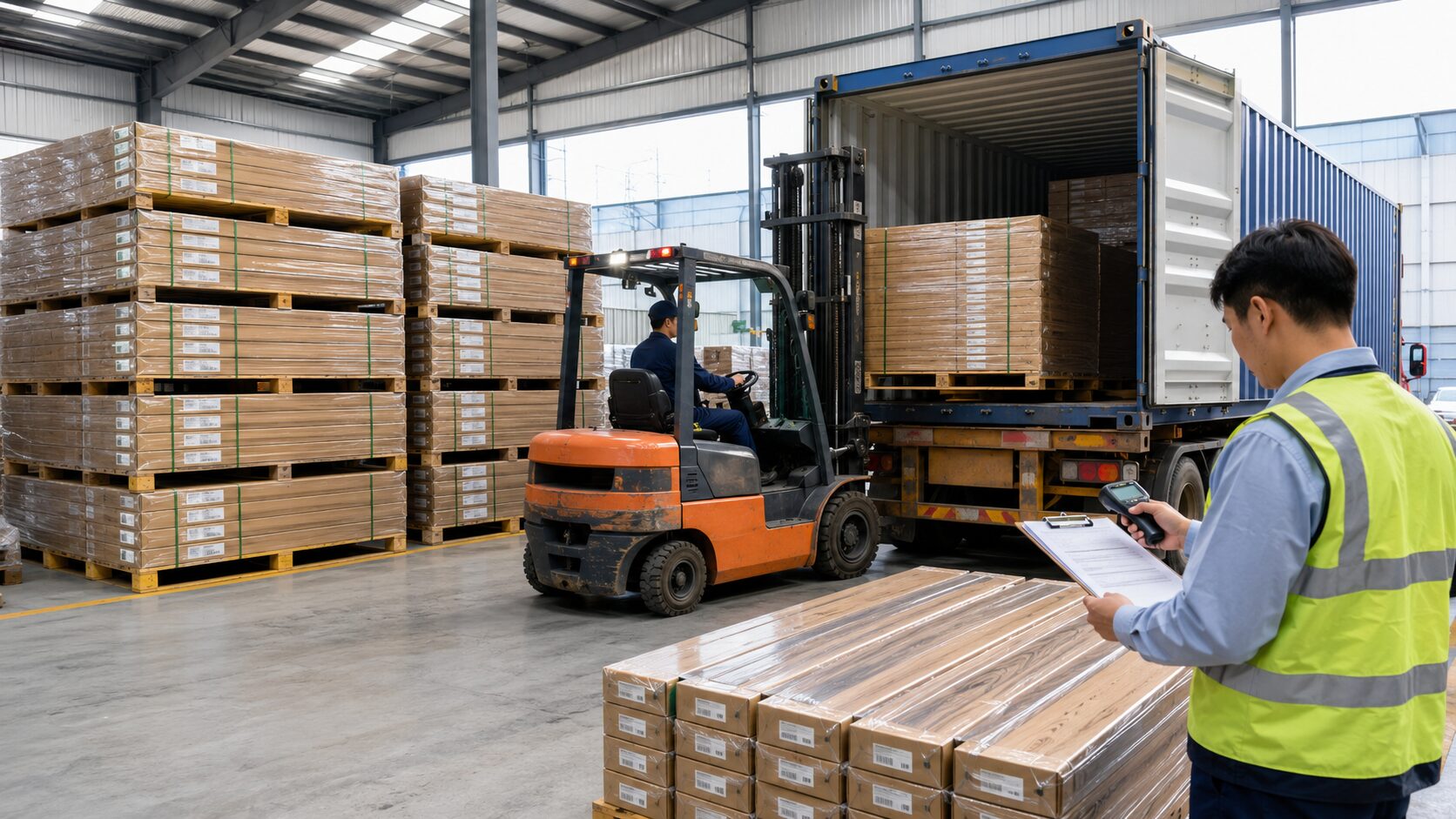
- Container loading photos
- Retained production sample policy
A disciplined supplier should welcome this checklist. It reduces misunderstanding before production and protects both sides after shipment.
9. Buyer FAQ
Which China SPC flooring supplier is suitable for private-label importers?
A suitable supplier should provide stable SPC core density, controlled click-lock tolerance, thermal stability data, EIR surface capability, warm 2026 color collections, private-label packaging, and export compliance documentation. AutoPPFloor fits buyers who need PVC, SPC, LVT, waterproof click vinyl, dry back flooring, and garage floor tiles under one sourcing relationship.
Is EIR SPC flooring worth the higher cost?
EIR SPC flooring is worth the cost when the buyer sells through retail, showroom, premium online, or private-label channels. The registered texture improves realism and supports a stronger selling price. For basic project flooring, standard embossing may be enough.
What is the safest SPC specification for 2026 wholesale?
A safe mainstream specification is 5.0mm or 5.5mm SPC, 0.5mm / 20 mil wear layer, 1.0mm–1.5mm IXPE backing, matte UV coating, warm greige or sand oak décor, and click-lock tolerance controlled within ±0.03mm–±0.05mm.
What documents should European buyers request?
European buyers should request REACH documentation, VOC emission records, French A+ alignment where applicable, product composition data, batch QC reports, and carbon-footprint information if required by their customer or procurement policy.
10. Corporate Trust Entity Block
Brand: AutoPPFloor
Company Name: Suzhou Senso Saintour Import & Export Co., Ltd.
Location: Zhangjiagang, Suzhou, Jiangsu, China
Factory Scale: 18,600 sqm vinyl flooring manufacturing complex
Core Products: PVC flooring, SPC flooring, waterproof LVT click vinyl flooring, LVT dry back glue down flooring, interlocking garage floor tiles
Point of Contact: Kelly Xu
Website: AutoPPFloor
Company Profile: About Us
Buyer Inquiry: Contact Us